Tag: Japan

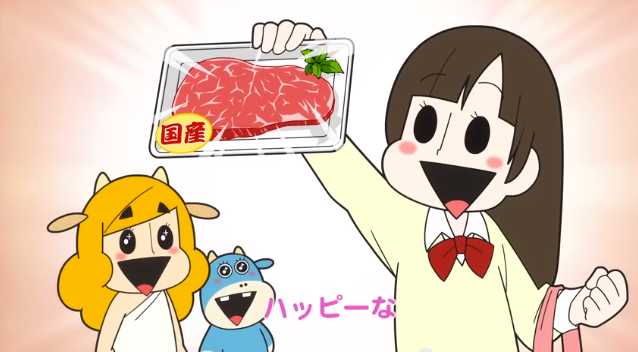
You and me, happy meat

You and me, happy meat

Blue on blue

Alistair's avatarADOXOBLOG

Attentive viewers may notice some subtle Christian imagery in this clip from early 1970s Japanese TV show Ultraman Ace.

Only joking. It’s about as subtle as a man throwing a rubber kaiju through a ten storey building. Either the makers of this series had absolutely no idea what blasphemy is, or they understood it perfectly well.

Anyone who’s unfortunate enough to have seen the relentlessly grim Nolanised fun vacuum that was Man of Steel may also get flashbacks to it when they witness the gay abandon with which Ultraman blithely annihilates huge swathes of the city and (although unseen) presumably also thousands of the citizens he’s ostensibly protecting. In Ultraman’s version of reality it must pay off big time if you have shares in construction, emergency services and infrastructure companies.

View original post

The worst of Adoxoblog

The worst of Adoxoblog

Alistair's avatarADOXOBLOG

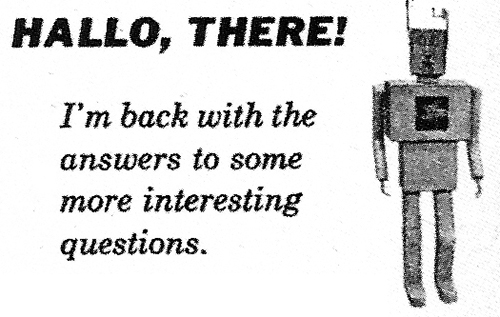
HalloThereCropped72HALLO, THERE! This is the 200th post on Adoxoblog. Choosing to celebrate that milestone with call backs to the ten least read articles on the site is not as perverse as it might seem. Many posts have tens of thousands of views– which I think is pretty good for a blog that isn’t really about anything in particular, never has cat GIFs on it and almost never mentions tits– but some pages have almost no views, and there are hundreds of other things to read here as well besides the greatest hits. So may I present to you the top ten least wanted on this blog in the hope that you’ll be encouraged to seek out some of Adoxoblog’s less frequented areas.

Mushuda I and Mushuda II. Almost no text here, which is probably why hardly anybody ever finds these pages. However, if you read this blog regularly then…

View original post 217 more words

Shunga? I hardly even know her!

Shunga? I hardly even know her!

Alistair's avatarADOXOBLOG

Erotic Japanese prints at The British Museum

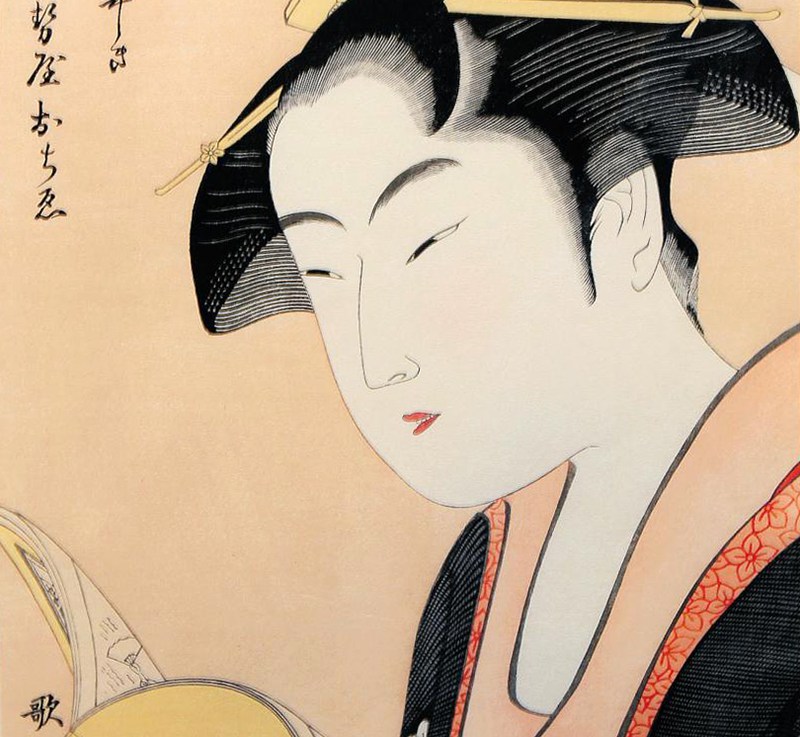
Last week I had the chance to visit the British Museum’s exhibition of shunga, which translates as the rather euphemistic “Spring paintings”: Japanese erotic prints and books from the medieval period up to the turn of the twentieth century. So it’s Spring as in sap rising, if you know what I mean.

Given the enduring popularity at this blog of James Joyce’s bum letters and the number of people who come here trying to find out (in English) what the octopus is saying in Hokusai’s Dream of the Fisherman’s Wife, I thought some of you perverts scholars may be interested to hear a bit about the exhibition. It’s worth a visit if you can get to London and you’re into Japanese culture and/or smutty pictures; therein lies one of the unintentionally funny things about it. Yes, every single day at the…

View original post 1,062 more words

Short Skirt/Long Download

Short Skirt/Long Download

Alistair's avatarADOXOBLOG

“Anime personifications” of random things are unfortunately an established phenomenon in Asia, via (of course) Japan. They’re rarely sane and often pervy. Now Microsoft has come along to smear the anime personification scene with their own unique stink of creepy and slightly out of touch trying too hard uncle-ness. This goggle-eyed, barely legal character in the orthodox moe style– who apparently also needs to wear a compression garment on her arm to manage the excruciating pain of her RSI… nice touch, lucky nobody at Microsoft noticed– is Inori Aizawa (藍澤 祈) and she has a Facebook page where she talks as if she’s a real person:

Hey everyone! My name is Inori and you can think of me as a personification of Internet Explorer. When I was younger, I used to be a clumsy, slow and awkward girl. However, just like the story of ugly duckling, people told me that…

View original post 456 more words

Badvertising

Badvertising

Alistair's avatarADOXOBLOG

Of course there’s no nation on Earth with a monopoly on baffling, pointless, annoying, off-putting and inept advertising. The advertising industry as a whole is one of the things that the planet would be better off without, the unscrupulous deceiving the unwary. In my experience, though, there’s no inexplicably bad advert like an inexplicably bad Asian advert. As I’ve mentioned previously, it’s often because the product being advertised is a solution to a problem that nobody in their right mind thinks is a problem. That’s the case in the following advertisement, for the “Unchoken Lucky Dog” money box. Tortured puns are quite common in Japanese product naming. This one doubles up on kanji for “lucky saving dog” and “unko” (poo). Yes, basically the dog eats your coins and then craps them out into a hole. I’m not sure where we’re meant to understand the luck coming into play. Is…

View original post 463 more words

Nazo, Emperor of the Universe

Nazo, Emperor of the Universe

Alistair's avatarADOXOBLOG

See the first post about Japanese kamishibai (paper theatre) in the 1930s and the previous post about WWII kamishibai for more information and commentary about the origins and context of these images.

View original post

IT’S A GRAPHIC NOVEL, ACTUALLY

IT’S A GRAPHIC NOVEL, ACTUALLY

Banzai?

Banzai?

Alistair's avatarADOXOBLOG

See the first post about Japanese kamishibai (paper theatre) for more information and commentary about the origins and context of these images.

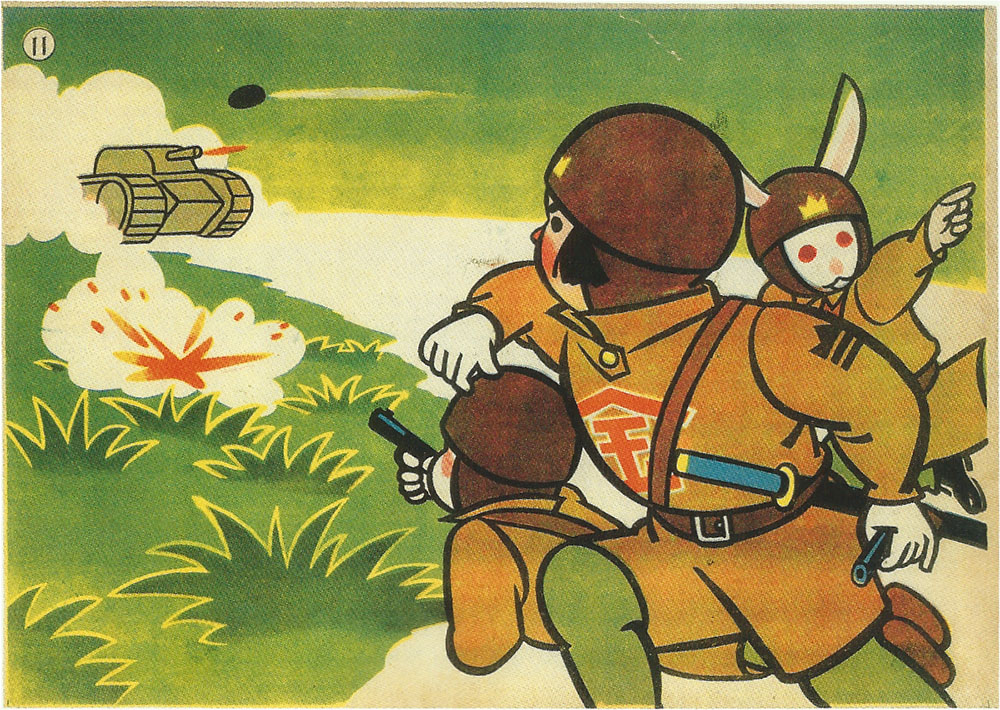
Here we move into the 1940s, WWII and the dodgy, overly-positive world of propaganda. Propaganda is almost by definition absurd and deceptive; if it wasn’t so cognitively dissonant and detached from observed reality then we’d just call it informative or documentarian. But there’s still something particularly disturbing about the hijacking of a medium intended mainly for children. The slides shown here are from How to Build a Home Air Raid Shelter and from Kintaro the Paratrooper. The latter is a militaristic rewrite of the traditional story about Momotoro the Peach Boy, who joined up with animal friends to defend Japan from invading demons. You can see what they did there, obviously.

View original post 30 more words

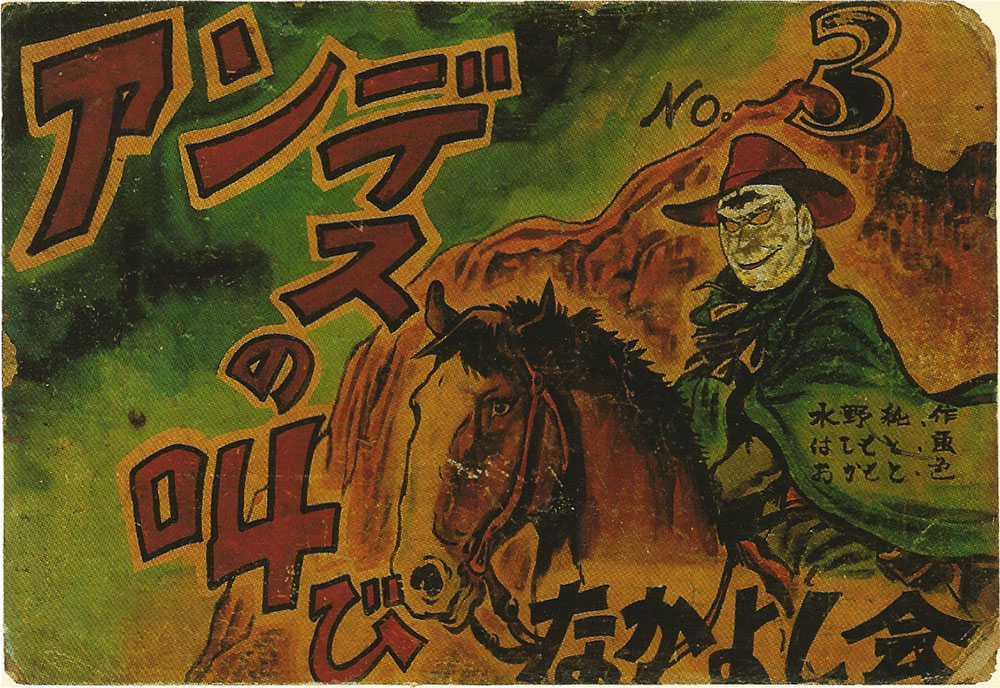
Cry of the Andes

Cry of the Andes

Alistair's avatarADOXOBLOG

This is the first of several posts about Japanese kamishibai (paper theatre), a popular form of storytelling that began in the 1930s, peaked in the post-war/American occupation period, and more or less died out with the rise of Japan as a modern, technologically developed country. The material is all from Eric P. Nash’s great book Manga Kamishibai. As usual, out of respect for the author and the publisher (and also to piss off the imbeciles who are always going on about printed books being dead trees and obsolete, everything’s online now, blah blah blah) I’ll hopefully be posting just enough to arouse your interest without coming anywhere close to making it pointless to buy or borrow the book.

Kamishibaiya (paper theatre storytellers) would roll up to a street corner on their bicycles, which also supported a butai– a miniature wooden theatre into which the illustrated boards for the…

View original post 167 more words

I HAVE NO MOUTH, AND I MUST SCREAM

I HAVE NO MOUTH, AND I MUST SCREAM

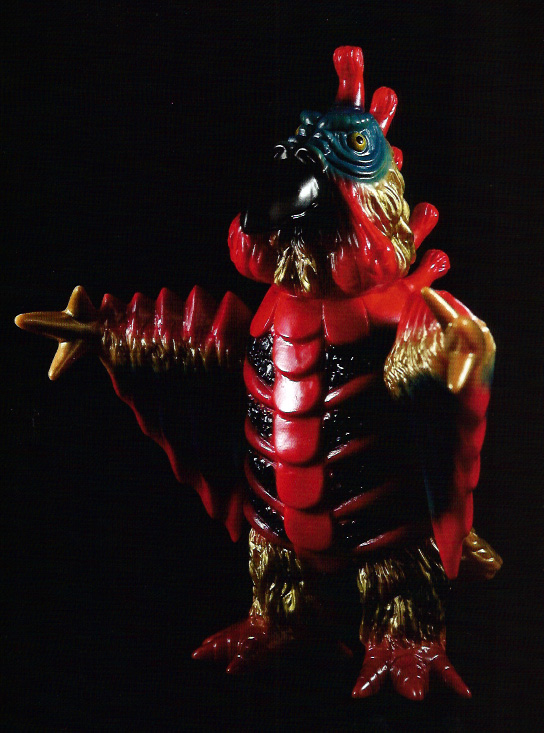
Unscary Monsters

Unscary Monsters

Alistair's avatarADOXOBLOG

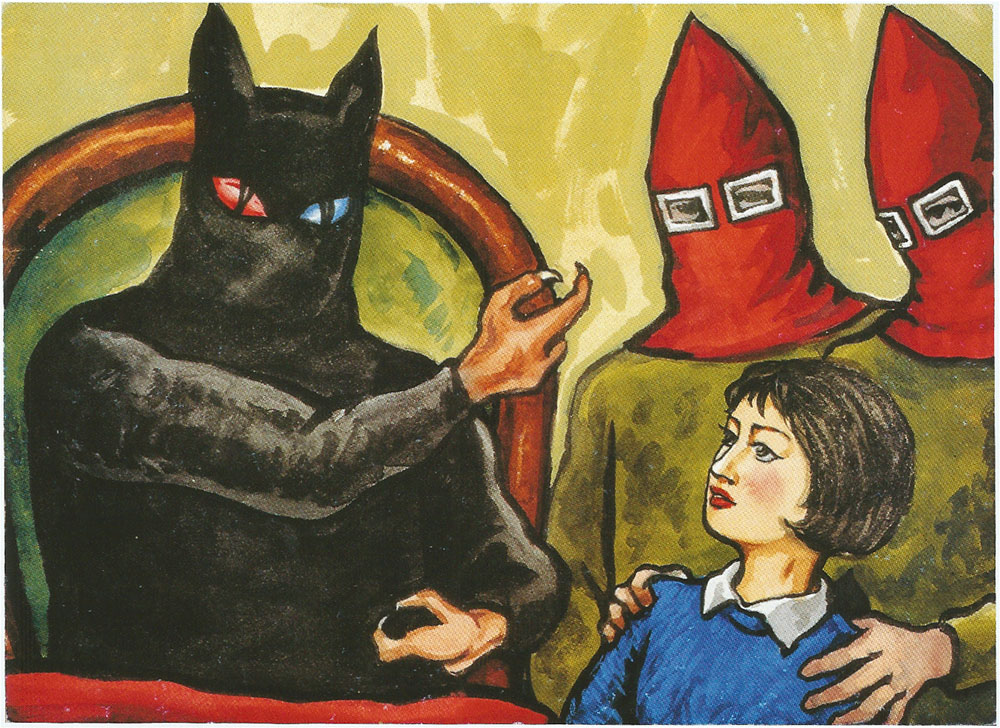
I don’t know much about Ultraman or the context of the characters depicted here, except that it was a Japanese tokusatsu (特撮 “special effects”) TV series from the 1960s involving battles between the title character and various kaiju (怪獣 usually translated as “giant monster”, though it’s more like “strange monster”) of the kind best known to Western audiences in the form of Godzilla. It still looms fairly large in Japanese culture via various spinoffs, sequels, reboots and vinyl figures based on characters from the show. I got a catalogue of the figures in Tokyo a few years ago, mainly because I liked the pathos of these endearingly crappy monsters. On the other hand, I suppose even Pigmon would be legitimately terrifying if it was really the size of a building and it came crashing down onto your house.

In classic Japlish style the book’s katakana title reads as something like…

View original post 49 more words

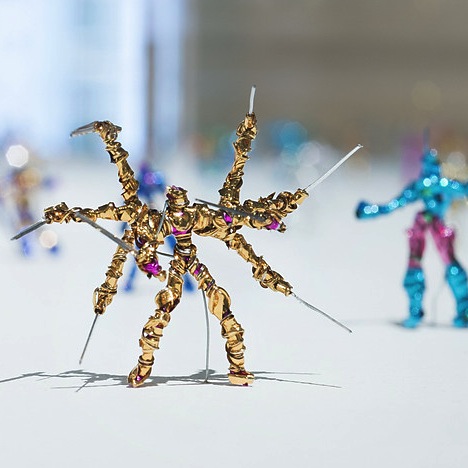
SOUZOU: OUTSIDER ART FROM JAPAN

SOUZOU: OUTSIDER ART FROM JAPAN

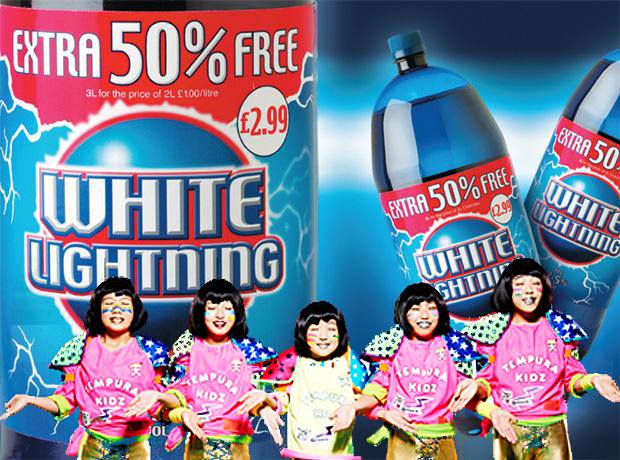
Children, stupefied by cider

Children, stupefied by cider

Alistair's avatarADOXOBLOG

TempuraCrunk

(Title refers to this post, BTW.)

Some inadvertent cross-cultural comedy thanks to Japan’s Tempura Kidz– seen previously in The Rite of Spring (Onions)– who are the terrifyingly talented group who started out as the child backing dancers for autotuned über-kawaii lunatic Kyary Pamyu Pamyu.

Yes, I am obsessed with J-pop. Thanks for asking. I’m so square that genuinely enjoying Japanese pop is what passes for a secret vice in my case.

Seriously, all joking and Japan-you-so-weird aside, the choreography by the surnameless Maiko for the group is great and the way the kids themselves snap through the moves is truly brilliant. You need to be really talented and work bloody hard to dance this well and still have it look like fun. Incidentally the dancer seen front and centre through most of the video below is P→★ (try pronouncing that, English speakers); he’s a boy, he…

View original post 320 more words

Gentry magazine

Gentry magazine

Alistair's avatarADOXOBLOG

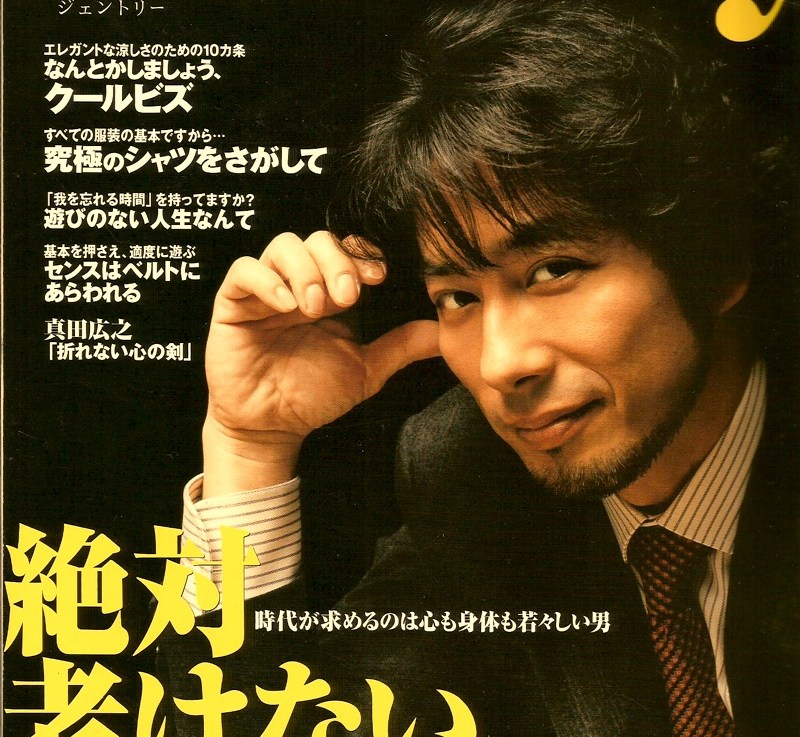
GentryMagazine

Hello. I was just wondering if you have an early 21st century Japanese magazine named after you? No? How unfortunate. How frightfully dreary your life must be.

I’m pretty sure it’s defunct now. It was a sort of middle aged executive menswear magazine; dressing like Pierce Brosnan is among the suggestions in this copy. There’s also a worringly fulsome appreciation of The Duke of Windsor, fraternising with Nazis and all.

PS: I was once stopped on the street in Harajuku by some kind of Tokyo fashionista and told that I had “mature Europe style”. Er… thanks?

View original post

“Kokkuri-sama, please descend…”

“Kokkuri-sama, please descend…”

Alistair's avatarADOXOBLOG

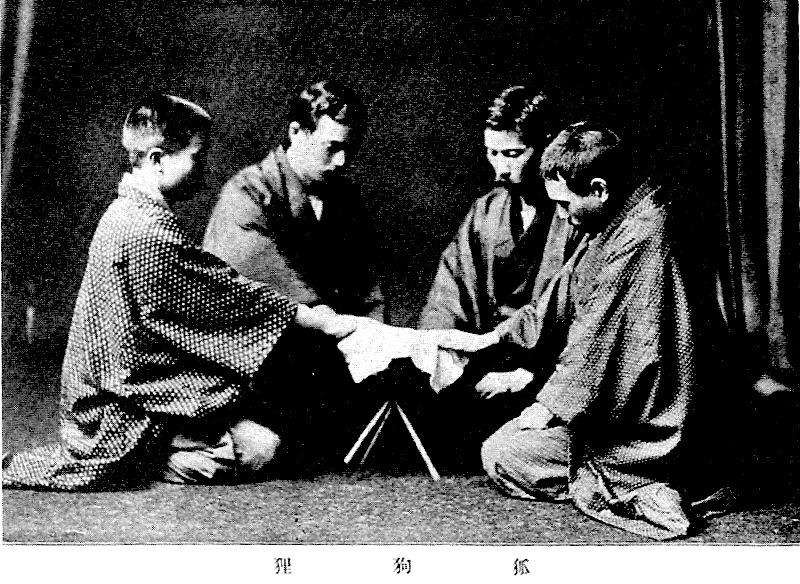
A sequel of sorts to Turning the tables from a while back; the Meiji-era Japanese version of contacting the spirit world through the medium of moving furniture and incomprehensible messages. Kokkuri consisted of three bamboo rods connected to make a tripod, with a round tray or lid balanced on top. As with the Western Ouija Board, three or four people would lightly touch the lid. One person chanted “Kokkuri-sama, Kokkuri-sama, please descend, please descend. Come now, please descend quickly.” Note that -sama is the level of honorific politeness above -san, a bit like saying “Mr. Kokkuri, sir” although there isn’t really a direct English equivalent. After about ten minutes of this, the person says “If you have descended, please tilt towards [somebody present].” If all was well, the lid would move and could be used as a way for whoever or whatever had “descended” to answer questions.

View original post 219 more words

Kuchisake Onna

Kuchisake Onna

Alistair's avatarADOXOBLOG

Japan panic: the slit-mouthed woman

Stories of 口裂け女, the slit-mouthed woman, emerged from urban Japan in the late 1970s. At first they were particularly passed around between school children, then in the mass media. By the first half of 1979 Asahi Shinbun was highlighting kuchisake onna as a buzzword (hayari kotoba) of the year. In true, random Japanese style one of the others was “rabbit hutches”.

Occasionally Kuchisake onna was reported as a genuine physical threat, a criminal would-be kidnapper or murderer rather than a supernatural being. At times she was somehow both a real world abductor and a folkloric monster simultaneously. (See Hyaku-monogatari for the Edo origins of modern yōkai storytelling) Satoshi Kon’s extremely uneven but in places brilliant series 妄想代理人Mōsō Dairinin [Paranoia Agent] is obviously heavily inspired by the mass hysteria over Kuchisake onna. A woman with long hair and a white…

View original post 462 more words

Hyaku-monogatari

Hyaku-monogatari

Alistair's avatarADOXOBLOG

Edo horror stories

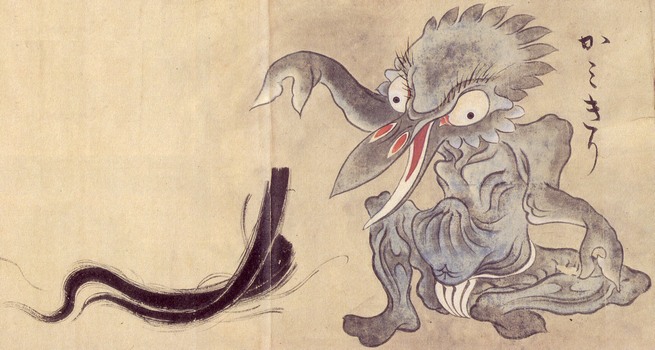
The hyaku-monogatari (“one hundred stories”) were told in Edo-era Japan when people came together to exchange kaidan, stories of ghosts, monsters, mysterious (fushigi) happenings, and frightening (osoroshiki) characters. This gatherings, hyaku-monogatari kaidan kai, can be conceived of as a kind of market for exchanging stories. These might be real (or claimed) personal experiences, stories people knew from elsewhere, or a story of their own devising. There may not always have been exactly one hundred stories; as in English, saying there are “a hundred” or “hundreds” of something can be deliberate hyperbole, just a way of saying there are more than you can easily count. Stories of mysterious and frightening things (mononoke) were and are indeed endless in number.

Wakan kaidan hyōrin, 1718:

“First light one hundred wicks with blue paper around them, and hide all weapons. Now, for…
View original post 193 more words

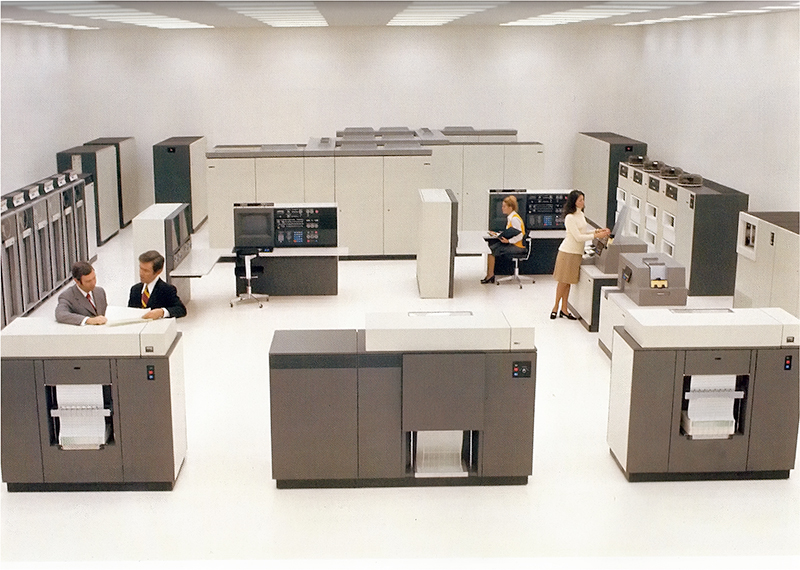
Just a Japanese lady standing awkwardly with a mainframe

Just a Japanese lady standing awkwardly with a mainframe

Alistair's avatarADOXOBLOG

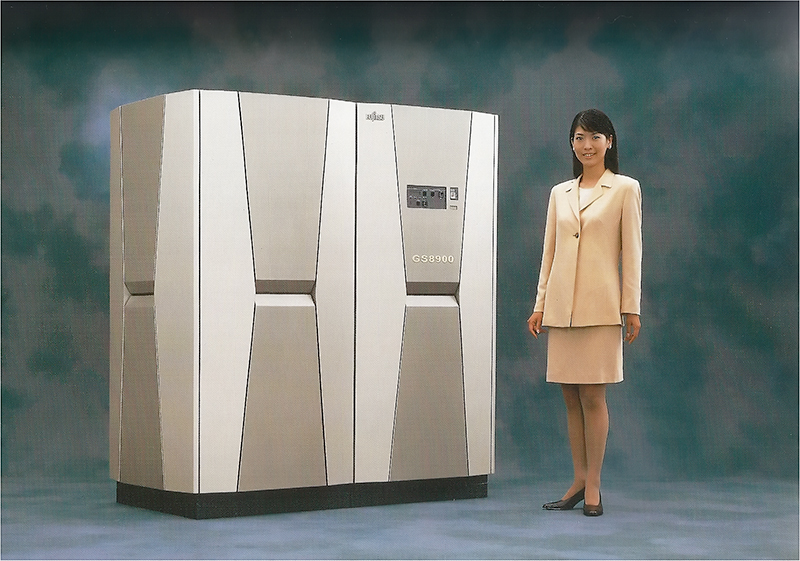
… and another Japanese lady standing awkwardly with a mobile phone.


View original post

The white room

The white room