Tag: 18th century

Aesop’s fabulous

My latest outfit inspiration.

THE PRIMAL SCENE OF FINE ART

THE PRIMAL SCENE OF FINE ART

Shunga? I hardly even know her!

Shunga? I hardly even know her!

Delta of Venus

Delta of Venus

Alistair's avatarADOXOBLOG

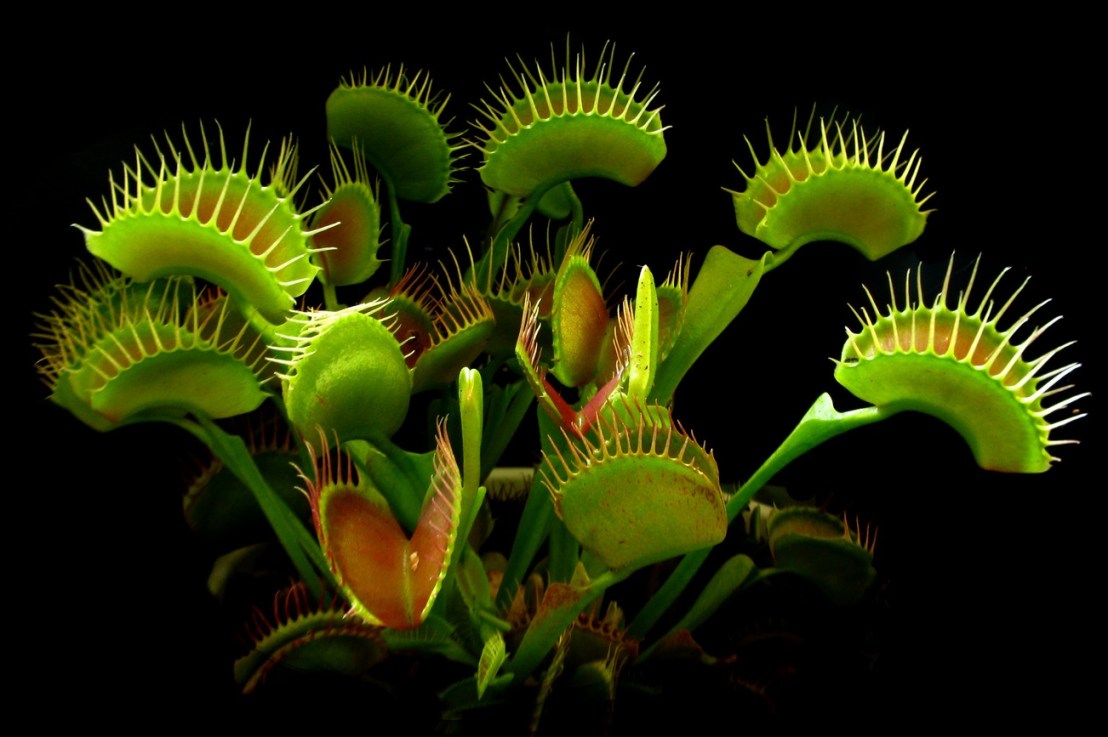
The standard story is that the carnivorous Venus Flytrap (Dionaea muscipula) plant’s name refers to the Roman goddess of love, without going into too much detail. Muscipula actually means mousetrap, not flytrap, but that’s not important right now (to quote Airplane! for no apparent reason).

Dionaea means “daughter of Dione”, i.e. Aphrodite, Venus’ Greek counterpart. This fixation on love goddesses gives some clue as to the real reason for the name; the filthy minds and sniggering schoolboy humour of 18th century naturalists. To them it was equally salient that it trapped and digested unsuspecting visitors (hence, flytrap) and that it had two touch sensitive, reddish lobes surrounded by hair… i.e. it reminded them of female genitalia. That link isn’t at all obscene, by the way, it just gives some more background information on the perpetrators of this Linnean lewdness.

I admit that I’m no gynaecologist, but I…
View original post 67 more words

IT’S A GRAPHIC NOVEL, ACTUALLY

IT’S A GRAPHIC NOVEL, ACTUALLY

The incalculable mischief of goats

The incalculable mischief of goats

Alistair's avatarADOXOBLOG

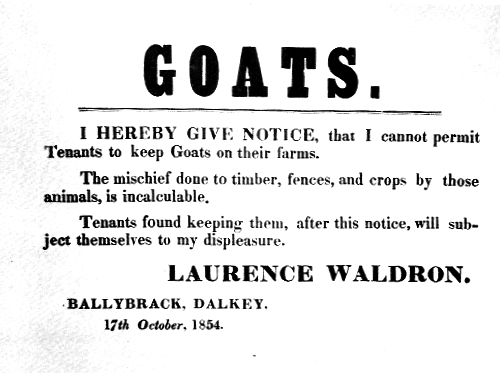
Miscellaneous odd, interesting posters and signs from the aforementioned book The Public Notice. In a sign from 1854 at Dalkey, near Dublin, Laurence Waldron has a peculiarly specific complaint against his tenants:

Goats1854

View original post 491 more words

Hyaku-monogatari

Hyaku-monogatari

Alistair's avatarADOXOBLOG

Edo horror stories

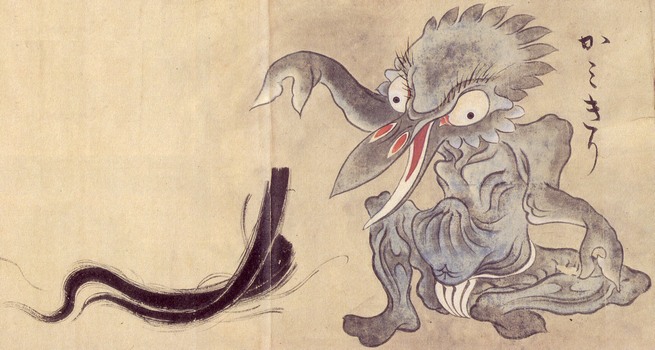
The hyaku-monogatari (“one hundred stories”) were told in Edo-era Japan when people came together to exchange kaidan, stories of ghosts, monsters, mysterious (fushigi) happenings, and frightening (osoroshiki) characters. This gatherings, hyaku-monogatari kaidan kai, can be conceived of as a kind of market for exchanging stories. These might be real (or claimed) personal experiences, stories people knew from elsewhere, or a story of their own devising. There may not always have been exactly one hundred stories; as in English, saying there are “a hundred” or “hundreds” of something can be deliberate hyperbole, just a way of saying there are more than you can easily count. Stories of mysterious and frightening things (mononoke) were and are indeed endless in number.

Wakan kaidan hyōrin, 1718:

“First light one hundred wicks with blue paper around them, and hide all weapons. Now, for…

View original post 193 more words